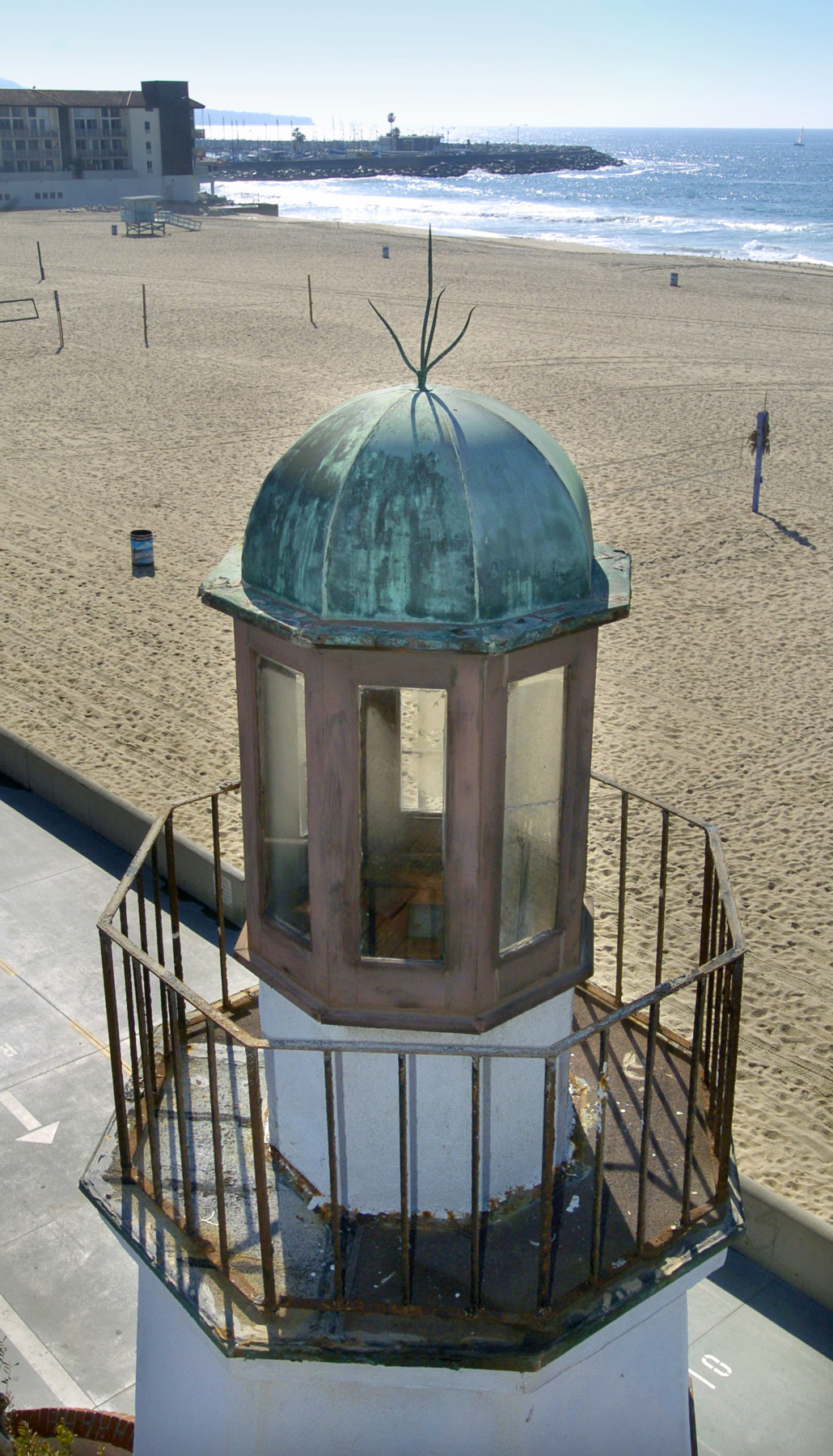
Although not listed as an item of discussion on the agenda, the Hermosa Beach City Council Tuesday night agreed to nominate the house at 100 The Strand for a possible designation as a historic landmark to save it from scheduled demolition in early February. The vote was 4-1.
The council agreed to nominate the structure that it will review to see if it can possibly designate it as a historic landmark at its next meeting. The majority of Council members expressed concern and voted to nominate the house to save it from being destroyed before it had time to act on the matter at its next meeting. City Manager Steve Burrell, the city’s Building Department and one of the previous owners of the home reviewed the history of the house and filed the appropriate paperwork Wednesday morning, but as of press time The Beach Reporter had no additional information on the fate of the home that was built in 1928.
The City Council, in effect, will ratify its action at its next meeting scheduled for Feb. 9, when the new property owner, William Campbell, will have the opportunity to speak on the behalf of the new purchase.
According to City Attorney Mike Jenkins, the Brown Act prohibits the City Council from acting on items not listed on the agenda, with the exception of matters that come before the five elected officials after the posting of the agenda and are in need of immediate action.
“According to the city’s historic preservation resources order, the code allows a nomination to be made of any building in the city to become a historic resource to be made either by the property owner or the city,” said Jenkins. “The code also states once a nomination has been requested for designation of a historic landmark, then no demolition, building or any other permit shall be issued until a final determination has been made regarding the proposed designation. What that basically means is that if the city were to initiate a nomination in this instance, then we would out of necessity, revoke any outstanding demolition or building permit of this property pending the review of the designation. You don’t have enough information in front of you tonight to make any determination as to whether this property meets the criteria of a historic designation.”
Some items of the criteria for a historic designation pertain to the age of the structure, its association with significant historic events or people, whether it embodies distinctive architectural style or if it’s a work of a notable architect or designer.
Mary Zachary, owner of the house for 26 years, informed the council of the matter Tuesday night. She sold the house about a year and a half ago to developer Mike Mulligan who later sold the property to another developer, William Campbell.
“I’m urging the city to review the cultural value of this beautiful house to the city,” said Zachary. “It is the first house you see on The Strand when driving north in Hermosa from Herondo. Hermosa Beach would suffer a great loss if we let one of the last of the charming older homes slip through our fingers.”
According to Zachary, the house is made out of redwood and its architecture is inspired by French Normandy designs. Famed actor Clark Gable and his new bride, Carol Lombard, spent their first honeymoon at the house. In the 1930s, it served as a functionally operational lighthouse and in the 1940s, it was used as a spy house with telescopes located on the channel. The Discovery Channel used the house for its documentary on the tsunami in the 1990s.
Hermosa Beach has an ordinance in place that protects historic structures from demolition once nominated and then designated under local law. The historic Bijou Theater that was built in 1923 is protected under such an ordinance.
“I will vote to see if we can save this house, but I’m just hoping we don’t open ourselves up to a lawsuit with this developer,” said City Councilman Peter Tucker. “The misinformation that some people are hearing is that the city would rather see these old homes come down and as a city official I’m not too happy about this. As a former Planning Commissioner, who spent 10 years with the commission, we never said to a developer, ‘Go ahead and tear down a house.’ Instead we usually approved variances so people could fix up older houses.”
City Councilman Sam Edgerton, who is the owner of a historic house built in 1906, was the lone dissenter on the matter because he felt it was unfair to nominate the structure when the current owner was not present to speak on the issue.
“When we initiated this ordinance, the thought was that if someone wanted to designate their home as a historical house then they could do that,” said Edgerton. “I don’t know what the house sold for, it might have been well more than a million dollars, and the guy who bought this house is going to find out tomorrow that what he bought is not what he bargained for, and so on an ethical level, I have a little bit of a problem with that. It’s a lovely house and I’m sure there are very fond memories there, but, really, if one wanted to preserve this house, and prevent this house from ever being torn down, they should have done it when they were the owner.”
 The Lazy Sway