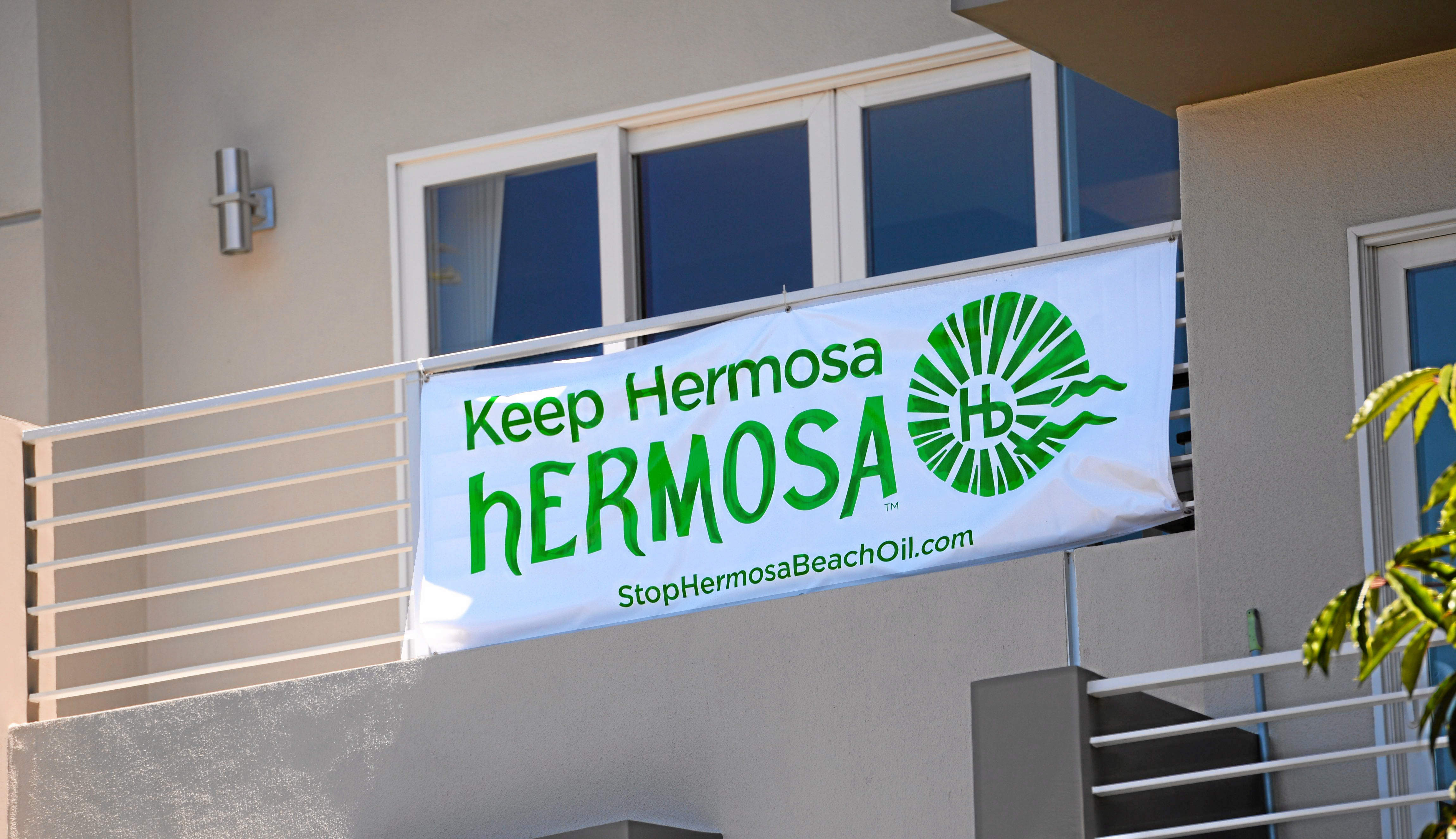
A California Superior Court last week granted a key victory to the city of Hermosa Beach when it ruled that Santa Monica-based Macpherson Oil could not seek monetary damages for a breach-of-contract lawsuit because of a voter-approved initiative.
The most recent ruling is one of two legal cases on an issue spanning more than two decades based on an effort to drill for oil in Hermosa Beach. In 1986, Hermosa Beach inked a deal with Macpherson to drill for oil on the site of the city yard located near Sixth Street and Valley Drive. One of two legal battles began in 1995 when voters passed Measure “E,” a ban on all oil drilling in town. The case in question surfaced in 1998 when Macpherson filed its breach-of-contract cross-complaint.
According to Macpherson’s lawyer, James Bright, the current intention is to file an appeal on the decision at the appellate court level.
“Obviously Macpherson is disappointed in the outcome. I think it’s a tragedy that someone can enter into a valid contract with a city, spend $6.5 million to perform the contract and have the voters or the City Council then say, ‘Sorry, the contract doesn’t mean anything, you’re out,'” he said. “From a philosophical standpoint, it’s a tragedy because it would be easy for the government to adopt new laws under the guise of public welfare that would allow the government to avoid any commercial contracts that the government later found unfavorable while avoiding liability for breach of contract.”
Both Macpherson and the city requested a summary of judgment from the court on a cross-complaint first filed in December 1998. According to court minutes, Judge Soussan G. Bruguera reviewed evidence and briefs submitted by both parties, along with oral arguments from both attorneys and ordered a ruling.
“The power of the voters in the initiative process is greater than that of the city’s legislative body and a valid initiative cannot give rise to damages,” stated the court minutes. “No breach of contract occurred because the lease by its terms was subject to a subsequent change in the law like Proposition ‘E.’ Proposition ‘E’ is valid legislation under the police power; its application to the oil lease is constitutional and it provides a complete defense to Macpherson’s breach-of-contract claim.”
Members of the grass-roots organization, Stop Oil Coalition, coordinated the initiative effort, and in 1997, filed a lawsuit against Macpherson, claiming Measure “E” should be applied retroactively to Macpherson’s contract on a project that had yet to begin because its permits weren’t in place and the company’s California Coastal permit also expired.
“It’s certainly welcome news for the city, I’m sure,” said Rosamond Fogg, founder of Stop Oil. “I’m not shocked or surprised since I thought that based on the arguments Macpherson made and our position that any money owed to Macpherson would be diminutive. It’s nice when the court does what you expect it to do. What is unfortunate is this case was a very expensive civics lesson for the city. The City Council and the city attorney certainly should know the reason governments exist is to apply the law and not drag its feet for years. They will most likely know this better next time. Let’s hope so.”
In 1998, Macpherson did succeed in obtaining a ruling that Measure “E” did not apply to the project; however, an appellate court subsequently overturned the decision. A subsequent Macpherson appeal to the California Supreme Court was later denied. In 2001, lawyers of Macpherson Oil abandoned all efforts to reverse an appellate court decision, which upheld Measure “E.”
“The Superior Court ruled in favor of the city because the Court of Appeals ruled Proposition ‘E’ is valid and could be applied to Macpherson’s oil project to prevent the project from going forward,” said City Attorney Mike Jenkins. “The court ruled that Macpherson on a variety of legal grounds could not seek damages of any kind.”
The city’s legal battle against Macpherson erupted when it cancelled its deal with the oil firm in 1998, citing new health and safety concerns. While the Measure “E” case circulated through the courts, the Hermosa Beach City Council voted to dissolve its contract with Macpherson due to new information based on findings from the Aspen/Bercha Group. In a report, a consultant found several hazardous risks to drilling such as fire and gas leaks.
To the city’s dismay, Los Angeles Superior Court Judge Kurt Lewin ruled the City Council did not have the authority for such a move and granted permission to Macpherson to move forward with the project. Macpherson then reacted to the council’s vote by filing a $100 million breach-of-contract cross-complaint against the city, which was considered the value of its 30-year contract.
“What a nice Christmas present for the city of Hermosa Beach,” said Councilman Sam Edgerton. “The oil issue has been the albatross around the city’s neck since the first pro-oil vote in 1984. The city’s court win marks a huge third step in getting rid of all the oil issues (the first step being the council’s rejection of the oil contract in 1998 on safety grounds and the second being the appellate court’s 2000 affirmation of Measure ‘E’ to invalidate oil drilling altogether). Noting the years of litigation which were required to straighten out this mess, the big lesson for Hermosa Beach is to not take on a divisive project just for the money.”
 The Lazy Sway